
Luxury Property Development in Dubai: Cost, Risk & Planning
Dubai's luxury residential market recorded 500 sales over $10M in 2025. Here is why disciplined feasibility, cost control, procurement, and commercial oversight are critical for developers.
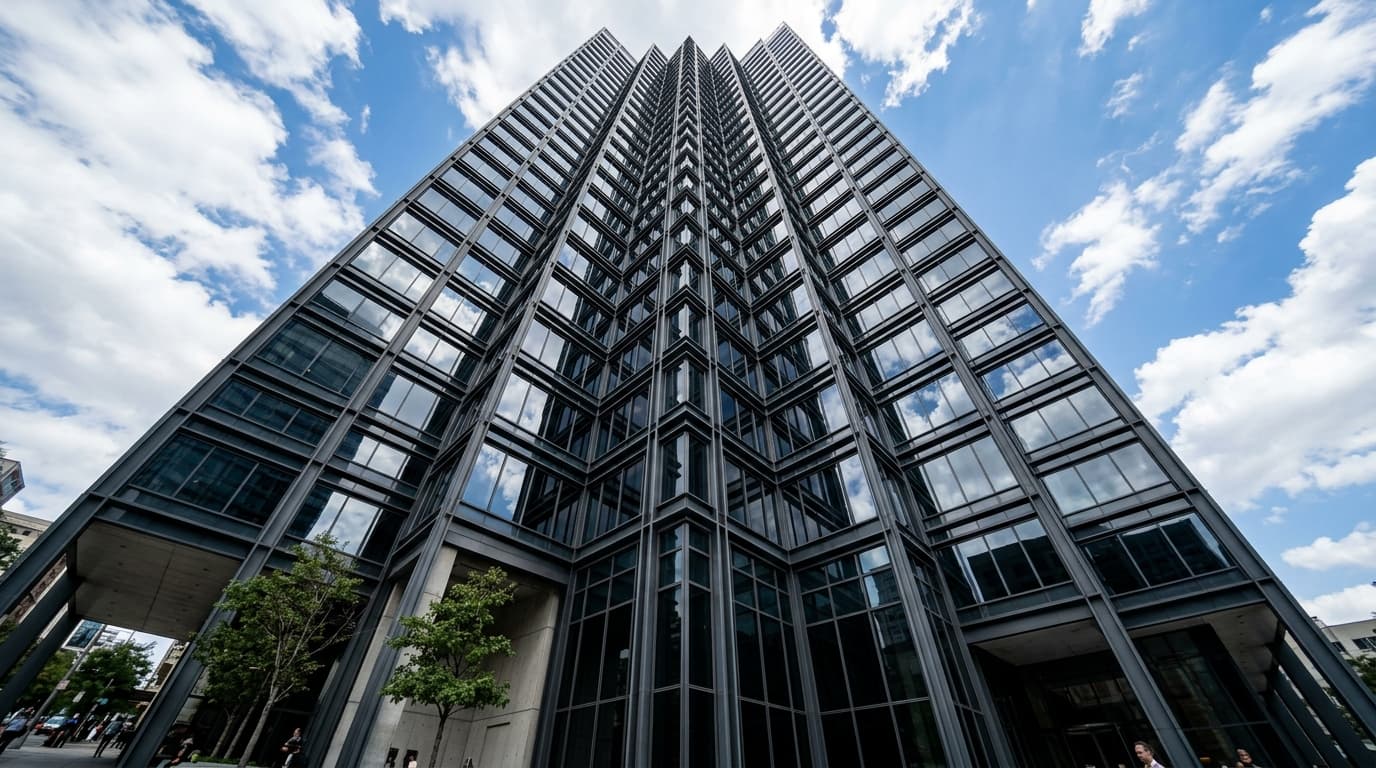
Dubai's luxury residential market finished 2025 with a level of activity that few property markets can match.
Knight Frank recorded 500 residential transactions above US$10 million in Dubai during 2025, generating approximately US$9.05 billion in transaction value. Of those transactions, 68 were above US$25 million. Activity was particularly strong towards the end of the year, with 143 US$10 million-plus transactions recorded in Q4 alone.
For developers, however, the headline sales figures are only one part of the story.
A strong market can create room for new projects, but it does not automatically make development easier. Luxury projects bring higher expectations, more complex specifications and larger commercial decisions. The cost of getting those decisions wrong can be significant.
That makes early planning, cost control and commercial oversight increasingly important for developers operating in Dubai.
The Opportunity is Clear, But So is the Complexity
Dubai has built a strong reputation for large-scale residential destinations, waterfront communities and high-end developments.
Knight Frank's Q4 figures illustrate how demand is distributed across some of the emirate's best-known luxury locations. Palm Jumeirah recorded 28 transactions above US$10 million during the quarter, while Palm Jebel Ali recorded 22. La Mer, Jumeirah Second and Tilal Al Ghaf also recorded significant activity.
At the very top end of the market, the transactions themselves can be substantial. Knight Frank reported a US$149.7 million sale at Bugatti Residences by Binghatti in Business Bay during Q4 2025, making it the highest sale price recorded for a penthouse in the UAE at that time.
These transactions demonstrate the scale of capital moving through Dubai's prime residential market.
But a high selling price does not remove the need for disciplined development economics.
For a developer, the important calculation remains the relationship between land, construction, professional fees, financing, programme, sales assumptions and the final value of the completed asset.
Luxury Development Starts With the Right Feasibility Assumptions
The commercial foundations of a project are usually established well before the contractor arrives on site.
At feasibility stage, a developer may still be making decisions around land acquisition, gross floor area, unit mix, positioning, specification and target market. The information may be incomplete, but the financial model still needs to provide a realistic basis for decision-making.
This is where early cost planning matters.
A feasibility estimate that relies on optimistic assumptions can make a project look attractive on paper. Once the design develops and actual construction requirements become clearer, the budget can move considerably.
The better approach is to test the project early. That can include reviewing:
- Development area and efficiency
- Target specification
- Benchmark construction rates
- Professional and statutory costs
- External works and landscaping
- MEP requirements
- Fit-out and joinery
- Procurement assumptions
- Contingency allowances
- Programme-related costs
- Likely changes as the design progresses
Strategic pre-construction planning is designed around this stage of the development lifecycle, with feasibility benchmarking, cost planning, bills of quantities and procurement strategy forming part of the commercial review.
The objective is not to produce a number simply to satisfy a feasibility model.
It is to establish whether the proposed scheme can realistically be delivered within the capital parameters available.
The Specification Challenge in Luxury Projects
Luxury developments create a particular commercial tension.
The product needs to feel premium enough to support its market position, but every additional specification decision has a cost consequence.
That can include natural stone, specialist joinery, bespoke kitchens, premium bathroom systems, large-format glazing, advanced building services, smart-home systems, pools, landscaped areas, wellness facilities and high-quality external finishes.
None of these should be assessed in isolation. A specification decision needs to be considered against the wider development proposition:
- Will it materially improve the buyer experience?
- Does it support the intended sales position?
- Is there a technically equivalent alternative?
- Does the upgrade affect maintenance, programme or procurement?
- Could the same capital deliver greater value somewhere else within the project?
These questions form part of the value-engineering process.
Good value engineering is not simply about reducing the specification. It is about understanding where the money is going and whether the resulting value justifies the expenditure.
Cost management approach includes structured value engineering alongside tender evaluation, cost forecasting and ongoing commercial reporting.
Cost Control Should Continue After Tender
One of the more common problems in construction is treating the accepted tender as the final answer on cost.
It is not.
The project changes after award. Design information develops. Client requirements change. Contractors raise queries. Materials become unavailable. Procurement dates move. Authorities may introduce requirements that affect scope. Packages can be re-priced. Variations are instructed.
Each change can affect the final cost.
The current cost-management framework treats cost control as a live process rather than a report produced at the end of the month. Its service includes budget monitoring, value engineering, contractor tender evaluation, cost forecasting and commercial reporting.
For a developer, the practical questions are straightforward:
- What has been spent?
- What has been committed?
- What has changed?
- What is still at risk?
- What is the forecast cost at completion?
A project becomes easier to manage when those answers are visible early.
Variations Can Quietly Change the Economics of a Project
Not every budget overrun arrives as a major event.
A large part of commercial drift can come from a long series of smaller changes:
- A revised façade detail
- A different stone selection
- Additional electrical requirements
- A change to joinery
- An upgraded kitchen package
- A modified landscaping arrangement
- An extension to a specialist contractor's scope
Each change may appear manageable on its own. Together, they can materially alter the cost position.
That is why variation control needs to begin before the instruction becomes a committed cost. The change should be clearly defined, measured, priced and assessed against the remaining budget.
Risk & Contract service includes variation assessment, contract administration, claims mitigation and commercial risk management as part of this process.
For high-value residential developments, disciplined change control can provide a much clearer picture of where the project is heading.
Procurement Decisions Can Affect More Than the Tender Price
A low tender price is not automatically the best commercial outcome.
The procurement route, contractor capability, package structure, programme and risk allocation all influence what happens after award.
A contractor may submit a competitive price but rely on assumptions that later become areas of disagreement. Another contractor may price higher but provide stronger certainty around scope, programme and delivery.
The right assessment therefore needs to look beyond the headline number.
A commercial tender evaluation should consider whether bids are genuinely comparable, whether exclusions have been identified, whether qualifications have been reviewed and whether the pricing reflects the scope that the developer actually intends to build.
Services include contractor tender evaluation and independent commercial assessment to help developers compare proposals on a like-for-like basis.
This becomes particularly important for luxury projects where specialist packages can represent a significant part of the overall project cost.
Why an Independent Quantity Surveyor Matters
As project values and complexity increase, the quantity surveyor becomes an important part of the developer's commercial team.
The role can begin during feasibility and continue through design, tender, construction and final account.
That continuity matters.
The same commercial understanding can then follow the project from the original cost plan through procurement and construction.
Chartered Quantity Surveying service covers feasibility, concept design, design development, tender, construction, handover and final account. Its scope includes cost planning, measurement and bills of quantities, tender evaluation, interim valuations, variation assessment and final accounts.
This provides a more complete commercial view than looking at individual costs in isolation.
It also helps create a traceable connection between the original budget, approved changes, payments made and final project cost.
RICS-Led Cost Management Adds Another Layer of Governance
For developers, particularly those operating across different markets, consistency in measurement and reporting matters.
Chartered quantity surveying service is led by a Chartered Quantity Surveyor and references RICS professional standards, including the RICS New Rules of Measurement for relevant cost-planning and measurement activities.
That provides a recognised framework for presenting and managing project costs.
It is particularly useful where a development involves multiple consultants, contractors and stakeholders who need to work from consistent commercial information.
Financial Oversight Becomes Increasingly Important at Project Scale
As a project becomes larger, understanding the current cost position is only part of the job.
Developers also need visibility over the forecast.
A useful commercial report should help answer whether the original development budget is still realistic, whether committed costs have changed, whether approved variations have been incorporated, and whether the final forecast remains aligned with the project's objectives.
Financial Oversight service is positioned around this broader view, including financial reporting, cost audits, earned value analysis and post-construction commercial analysis.
This creates an important distinction between simply recording expenditure and actively managing the commercial outcome of the development.
The Market Can Support Ambitious Projects, But Assumptions Still Need Testing
Knight Frank's 2025 data provides strong evidence of the scale of activity in Dubai's ultra-prime residential segment. The number of US$10 million-plus transactions increased from 30 in 2020 to 500 in 2025, while the US$25 million-plus segment reached 68 transactions in 2025.
That market backdrop may encourage developers to pursue more ambitious residential schemes.
But a strong market does not make every development commercially viable.
A project's outcome still depends on its specific location, acquisition cost, design, specification, programme, financing structure, procurement approach and competitive position.
For that reason, developers should avoid building their feasibility around a single optimistic scenario. Testing different assumptions can provide a more useful picture:
- What happens if construction costs increase?
- What happens if the programme extends?
- What happens if the specification changes during design?
- What happens if the selling programme takes longer than expected?
- What happens if procurement prices come in above the initial benchmark?
The purpose is not to predict every problem. It is to understand where the project is most exposed.
What Developers Should Establish Before Breaking Ground
For a luxury residential development in Dubai, the commercial groundwork should ideally be clear before major construction commitments are made.
A developer should have a defined view across each core commercial parameter:
Project Feasibility
The development should be tested against realistic cost, programme and value assumptions.
Cost Plan
The budget should be broken down sufficiently to show which elements are driving the project cost.
Design-to-Budget Control
Design development should remain connected to the approved commercial position.
Procurement Strategy
The developer should understand how the project will be packaged, tendered and contracted.
Risk Allocation
Major commercial and contractual risks should be identified before they become live project problems.
Change Control
There should be a clear process for evaluating variations before they become unplanned expenditure.
Cost Reporting
The project team should have current information on spend, commitments, changes and forecast final cost.
Final Account
The completed project should finish with a clear reconciliation between the contract, approved changes, payments and final cost.
These are basic commercial disciplines, but their importance increases as project values and specifications rise.
The Commercial Side of Luxury Development
Dubai's latest luxury-sales figures show why developers continue to see opportunities in high-value residential property.
But market opportunity and project economics are two different things.
The strongest sales environment cannot compensate for an unrealistic cost plan. An impressive design cannot fix uncontrolled variations. A competitive tender cannot protect a project where scope and commercial responsibilities are unclear.
The commercial side of development needs to keep pace with the ambition of the project. That means understanding cost before construction, maintaining control during delivery and having reliable financial information when decisions need to be made.
At Auri Bespoke Commercial Partners, our work is focused on that commercial layer of property development across the UAE — from strategic pre-construction planning and cost management to risk and contract, financial oversight and chartered quantity surveying.
For developers entering a new project, the objective is not simply to produce a budget.
It is to create a commercial framework that helps the project stay aligned with its original purpose from feasibility through completion.
Dubai's luxury residential market has demonstrated the depth of demand at the upper end. For developers, the next question is how to turn that opportunity into a project that is properly planned, commercially controlled and built around a clear understanding of value.
Market data referenced in this article is based on Knight Frank's "Record-breaking 500 US$10 million+ homes sell in Dubai during 2025", published on 12 January 2026.
About Auri
Auri Bespoke Commercial Partners is an independent quantity surveying and cost consultancy serving UAE, GCC and international projects. Our quantity surveying and cost management services are directed by a Chartered Quantity Surveyor holding professional membership of the Royal Institution of Chartered Surveyors (RICS).
Need commercial clarity on your project?
Speak with Auri about cost planning, quantity surveying and commercial management.
Discuss Your Project